18SOUND ND1085
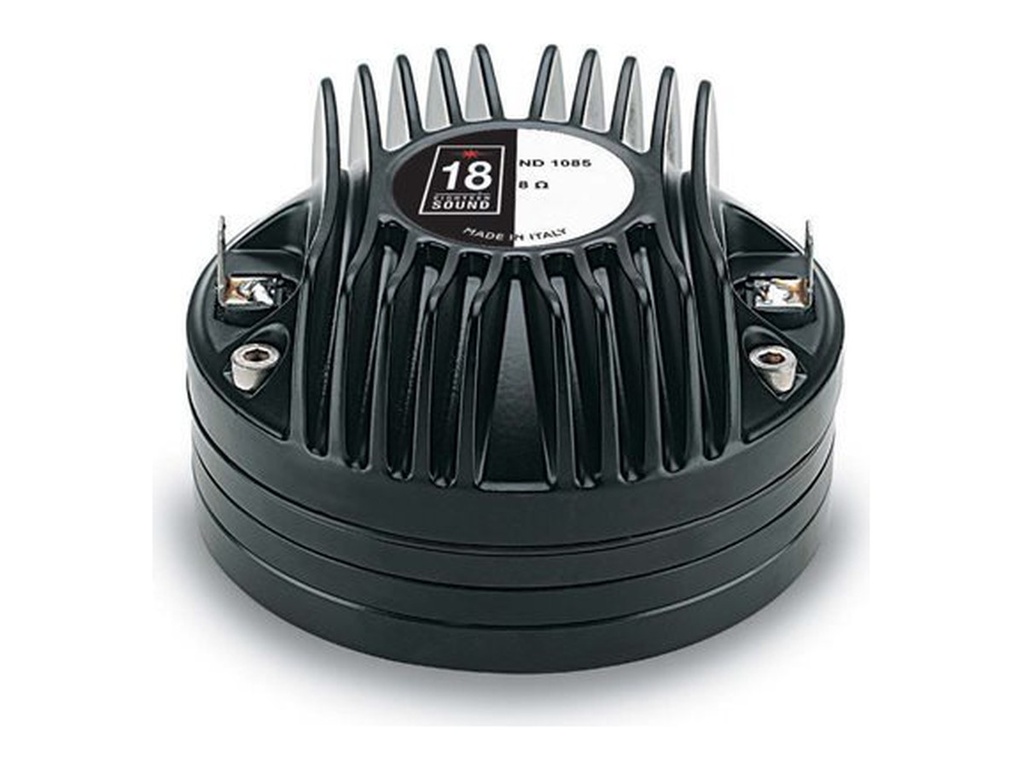
18SOUND (Eighteen Sound) ND1085 — 1" / 1 inch Compression Driver · Tweeter / HF Driver · Neodymium · Polyethylene Dome
1.75" voice coil · 8 Ω
Part no.: 42A-CHS-KD-18S-0057
Documents
18SOUND ND1085 — Compression Driver
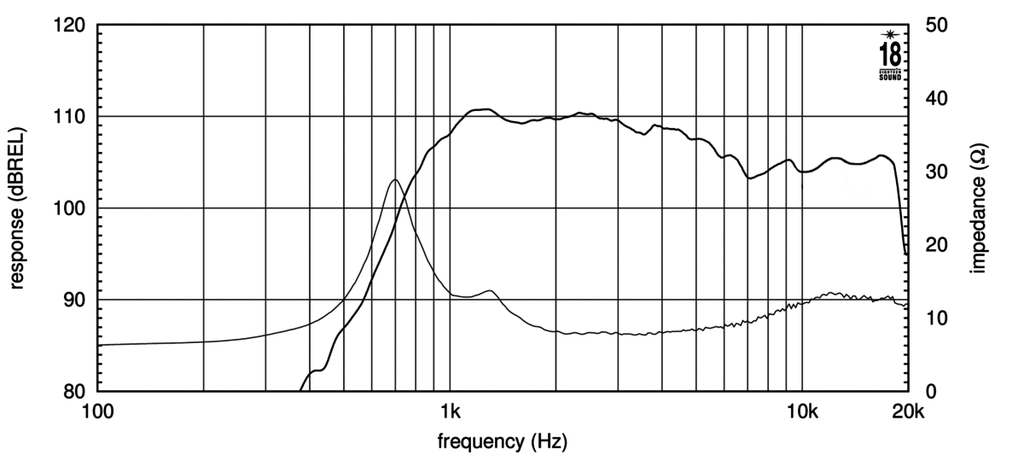
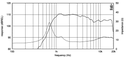
40 W AES · 109 dB Sensitivity · Frequency range 1600 Hz – 20000 Hz
Technical data
- Diameter: 1 "
- Voice coil: 1.75 "
- Power handling: 40 W AES
- Sensitivity: 109 dB
- Impedance: 8 Ω
- Magnet: Neodymium
- Weight: 1.1 kg
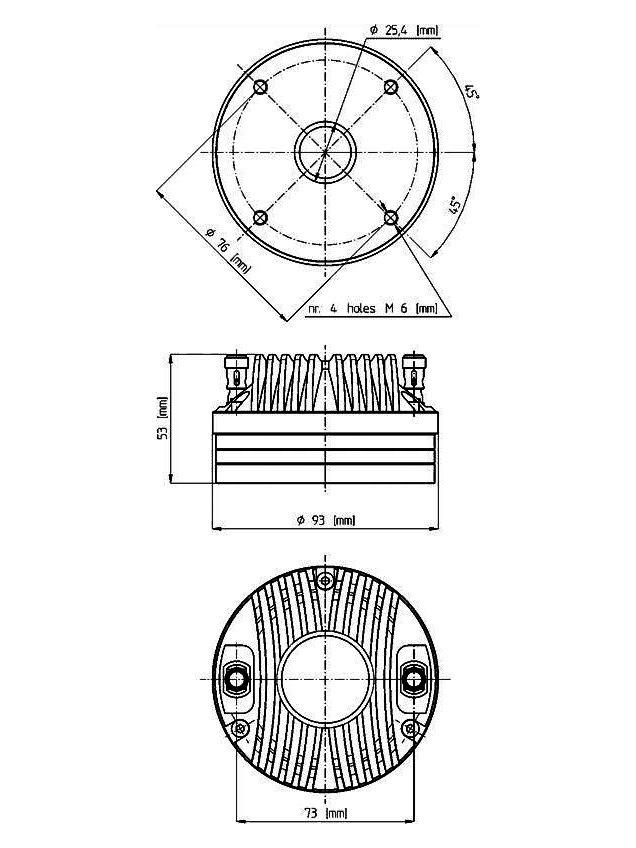
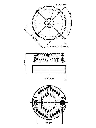
- Mounting depth: 53 mm
- Frequency range: 1600 – 20000 Hz
- Cone material: Treated polyethylene
- Exit: 25 mm (1.0 in)
- Rec. crossover: 1.6 kHz
Datasheet (PDF) · Manufacturer page
Series: ND · Part no.: 42A-CHS-KD-18S-0057
18Sound ND1085: 1" compression driver with polyethylene dome for a smooth top end
Not every top end has to come from metal. The 18Sound ND1085 uses a dome made of treated polyethylene – a polymer with high internal damping that shows diaphragm resonances in the uppermost range far less prominently than titanium. The 1" compression driver from the ND range drives this diaphragm with a 1.75" voice coil and a neodymium magnet, reaches 109 dB sensitivity and handles 40 W AES. Besides the 8 Ω version there is a 32 Ω variant.
Eighteen Sound aims this driver at speech reinforcement, installations and applications where a balanced, less edgy top end matters more than maximum continuous level. The polymer dome is also interesting for hi-fi horn projects because it can be tuned in a forgiving way with simple filters. The operating range spans 1.6 kHz to 20,000 Hz; weight and mounting depth are 1.1 kg and 53 mm.
Use and enclosure
The throat exit is 25 mm, the 1" standard, and the driver fits the 1" horns and waveguides from 18Sound in the Horns & Waveguides category at 42.audio. For speech and installation, horns with defined coverage make sense; for home and studio projects, a waveguide with a wider pattern.
The recommended crossover is 1.6 kHz. Because power handling at 40 W AES is below that of titanium models with the same coil size, the usual rules apply with extra weight here: crossover rather higher, high-pass steep, limiter in active operation. The 32 Ω version is intended for line sources and columns where several drivers hang in parallel on one channel; four of them come back to 8 Ω.
What to look out for
- Polyethylene dome: forgiving, low-resonance behaviour – well suited to speech and installation.
- 40 W AES: less thermal reserve than titanium models; keep the high-pass steep and not too low.
- 109 dB at 8 Ω: high sensitivity, attenuation to the woofer required; 32 Ω variant for parallel use.
- 1.1 kg, 53 mm mounting depth: neodymium motor, but still allow room behind the horn.
Frequently asked questions
Does a polyethylene dome sound different from titanium?
Yes, generally softer and less forward in the uppermost range, because the polymer damps resonances. For speech, installation and many hi-fi applications this is desirable; if you want maximum bite and continuous level, a titanium model is the better choice.
What is the 32 Ω variant for?
For line-source speakers and columns in which several drivers run in parallel on one amplifier. Four 32 Ω drivers give 8 Ω. The shop lists the 8 Ω version; ask 42.audio about the 32 Ω version.
Is 40 W AES enough for a PA box?
For speech, small tops and monitors yes, as long as the crossover is not below 1.6 kHz and a limiter or steep high-pass protects the coil. For loud music reinforcement with a low crossover, a titanium driver with more reserve makes more sense.
At 42.audio you get the 18SOUND ND1085 with datasheet PDF, all key data in the driver database. More drivers from this manufacturer: Atlas 18Sound.
Specifications
| Allgemein | |
|---|---|
| Manufacturer | 18SOUND |
| Category | Compression Driver |
| Series | ND |
| Magnet | Neodymium |
| Impedance (Ω) | 8 |
| Power handling (W) | 40 |
| Sensitivity (dB) | 109 |
| Frequency from (Hz) | 1600 |
| Frequency to (Hz) | 20000 |
| Abmessungen & Korb | |
|---|---|
| Diameter | 1 |
| Voice coil (inch) | 1.75 |
| Mounting depth (mm) | 53 |
| Weight (kg) | 1.1 |